
Reviewed · PRAGUE COMMUNISM TOURS
Back to Communism Walking Tour
Prague’s communist past comes into focus on this two-hour walk, where the story is tied to real city streets and to people who lived through the era. You’ll visit the former Czechoslovak secret police headquarters, Wenceslas Square, and a memorial to the Velvet Revolution.
I like two things especially: the chance to ask questions in a group capped at 15 and the personal perspective offered by local guides who experienced at least part of this period. The tour also keeps the history connected to specific places, rather than leaving it as a string of dates and political terms.
One consideration: this is an outdoor walking tour, and past outings have felt very cold. Dress for the weather, and remember that the stops themselves are brief, so the value depends on how much you enjoy a guide’s spoken account and conversation.
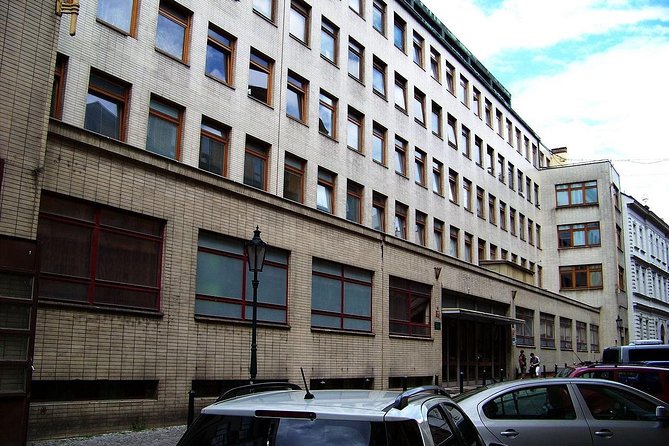
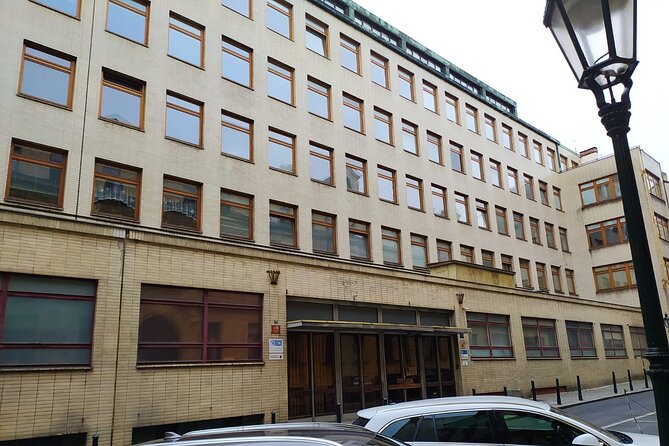
- Bartolomějská: See the former headquarters of the Czechoslovak secret police, a short stop with a heavy subject.
- Wenceslas Square: Spend about 15 minutes hearing how a familiar Prague landmark connects to the recent past.
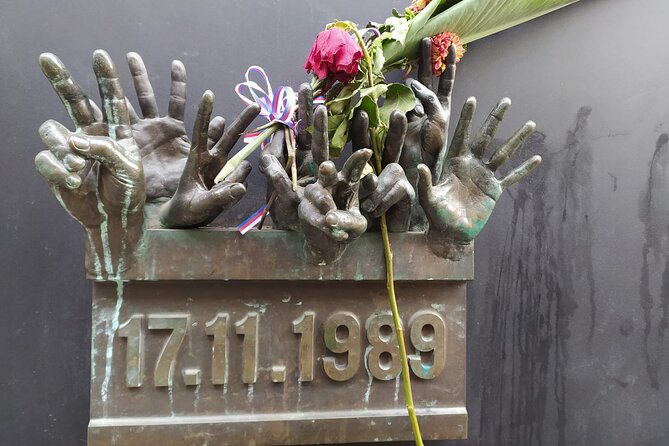
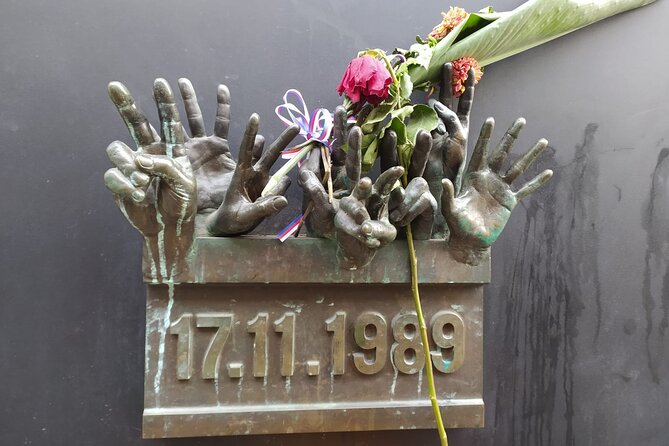
- Narodni Trida: Visit the hands-reaching-from-the-wall memorial to victims of the Velvet Revolution.
- Small group: The maximum of 15 makes it easier to ask questions and follow the guide’s explanations.
- About two hours on foot: A practical choice if you want a focused history walk rather than a full-day commitment.
- A weather-sensitive outing: Repeated descriptions of freezing conditions make warm layers and comfortable shoes sensible.
Prague’s communist past, told on the streets
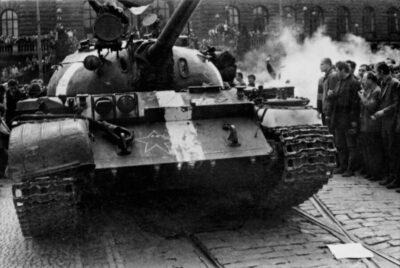
This tour is not a general introduction to Prague’s architecture or a broad survey of Czech history. It focuses on what life was like under communism in Europe, using places in the city as prompts for stories about power, surveillance, and political change. If you want a personal account alongside the physical setting, that focus is the main reason to consider it.
The guides have included Petr, Daniel, and Marek. Past descriptions point to guides who could explain the subject clearly and draw on personal experience of at least part of the period. That matters with a topic like this: political history can feel abstract until you hear how it shaped ordinary life.
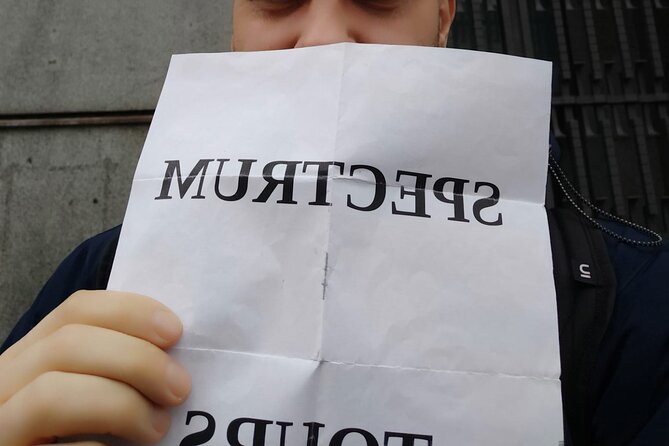
You should not assume you’ll meet one of those named guides. The provider is Spectrum Tours, and the guide assigned to your departure may differ. Still, the experience is designed around a local guide rather than an audio track or a self-guided route, so you can ask questions as the walk unfolds.
Bartolomějská: a short stop at the secret police headquarters
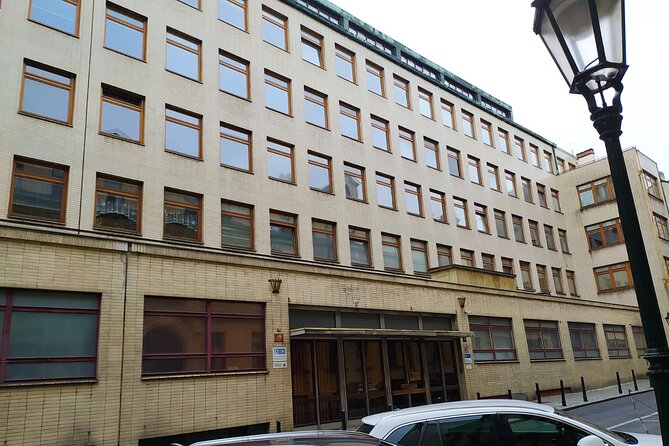
The walk begins at Na Příkopě 864/28 in Prague’s New Town, then includes a stop at Bartolomějská, the former headquarters of the Czechoslovak secret police. The stop is listed at five minutes, with no admission charge.
Five minutes is not long, so think of this as a place to set the scene, not an extended visit inside a museum. Its value is the address itself: the guide can connect the institution to the wider experience of living under a system that kept watch on its citizens. You get a concrete location for a subject that can otherwise sound distant or theoretical.
If you like to linger at historic sites or examine displays, this may feel spare. The tour is built around walking and explanation, not entry to a collection. A good question to bring along is how surveillance affected everyday choices, since that can help turn a brief stop into a more useful discussion.
More communism tours in Prague:
- Prague: Communism History and Nuclear Bunker Guided Tour
★ 4.7 · 2,417 reviews - Prague Communism History and Nuclear Bunker Tour
★ 5.0 · 1,742 reviews - Communism & Nuclear Bunker Tour + 70s Canteen Lunch (own expense)
★ 5.0 · 1,036 reviews
Wenceslas Square: connecting a landmark to recent memory
Wenceslas Square gets about 15 minutes, the longest of the three timed stops. The guide uses it to take you back to a recent past they personally experienced, linking a major Prague setting with the country’s communist-era story.
The square is an effective place for this kind of account because the tour asks you to see a familiar public space through the experiences of people who lived through political change. The guide’s spoken narrative is the main attraction here. You are not being promised a long, structured visit to a building or an indoor exhibition.
This stop may be the best chance to ask follow-up questions, especially if you’re curious about daily life rather than political labels alone. The small-group limit helps: with no more than 15 participants, the guide has a better chance of hearing questions and keeping the conversation personal. It is still a group walk, though, so you should not expect a private discussion.
Narodni Trida: the Velvet Revolution memorial
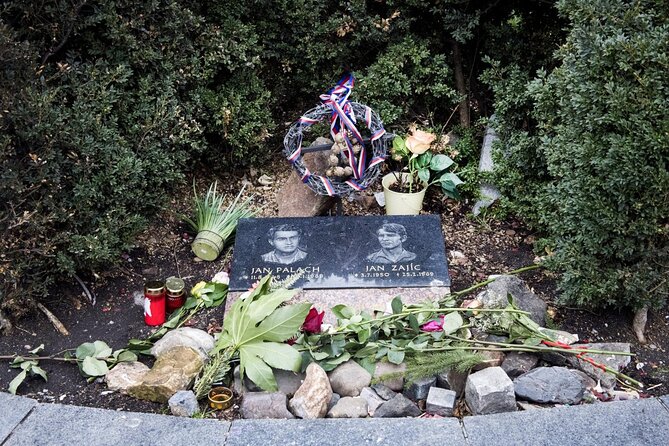
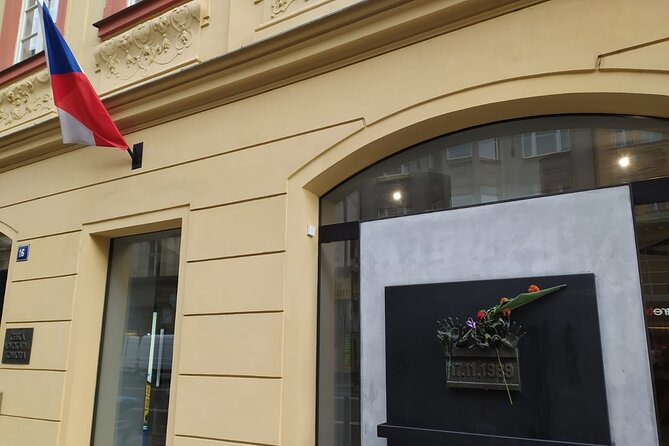
At Narodni Trida, the tour pauses by a memorial made of hands reaching out of a wall. It commemorates victims of the Velvet Revolution, and the stop is listed at 10 minutes. The guide explains why this episode is considered one of the strongest moments in modern Czech history.
The memorial gives the walk a visual focal point. Rather than hearing only about events, you can look at a public marker made to keep their human cost in view. The subject is serious, and the guide’s account is likely to be the part that gives the memorial its context.
The schedule does not describe a long visit here, so come ready to listen rather than expecting time for a full independent exploration. The stop is valuable as a concise conclusion to a walk that moves from state control toward political change. Together with Bartolomějská and Wenceslas Square, it makes the route feel like a connected story rather than three unrelated points.
What the two-hour format means in practice
The tour lasts about two hours and is intended for people comfortable exploring on foot. The three named stops account for about 30 minutes in total, leaving the rest of the time for walking between them and the guide’s commentary. No route distance or walking pace is provided, so you should plan for a city walk without assuming a particular mileage.
That format suits an active visitor who wants a focused outing and can comfortably spend two hours moving through central Prague. It may be less suitable if you need frequent seated breaks, want to stay indoors, or prefer to explore each site at your own pace.
The tour is offered in English and uses a mobile ticket. Confirmation is provided at booking, and children must be accompanied by an adult. Service animals are allowed, and the activity is described as suitable for most participants. Since this is an outdoor walk, check the day’s forecast and dress in layers; several past accounts describe very cold conditions.
More walking tours in Prague:
- Prague: 3-Hour Walking Tour of Old Town & Prague Castle
★ 4.7 · 5,696 reviews - Prague: Ghost Walking Tour Where Legends Come To Life
★ 4.4 · 5,253 reviews - Prague: Jewish Quarter Walking Tour with Admission Tickets
★ 4.7 · 3,729 reviews - Prague Guided Walking Tour and Cruise with Authentic Czech Lunch
★ 5.0 · 3,627 reviews
A small group makes the questions count
The group limit is 15, a useful size for a tour centered on conversation. You’re not promised a one-to-one exchange, but a small group gives you a better chance to ask about details that matter to you, whether that is everyday life under communism or the meaning of the memorials along the route.
The strongest aspect of this experience is the guide’s personal connection to the subject. Past guides Petr, Daniel, and Marek were singled out for clear explanations and a strong grasp of the period, with some having lived through part of it. That kind of perspective can add texture that a general overview may miss.
At the same time, personal experience is not the same as a complete account of a complex political period. If you want a wide-ranging academic treatment, this two-hour walk may feel too compact. I’d treat it as a grounded introduction, and use it to decide what you want to explore further on your own.
Is $44.22 good value?
At $44.22 per person, this is a paid guided walk rather than a low-cost way to cover ground. The price makes most sense if you value a local guide, a small group, and the chance to ask questions about a subject that is difficult to understand from buildings alone. The listed stops have free admission, so you are paying for interpretation and the guided experience, not entry tickets.
For someone with little background in Czech communist history, a guide who can connect the locations to lived experience may be worth the cost. If you already know the period well or prefer reading plaques and exploring independently, the value may be less clear. There is no promise of a particular guide, so consider the format and subject more than the chance of meeting a named person.
The tour is booked on average 78 days ahead. That does not mean every date sells out, but it suggests you may want to plan early if this is a fixed part of your Prague visit. Free cancellation is available until 24 hours before the start time; changes made inside that window are not accepted, and late cancellations are not refunded.
Who should choose this Prague walk?
I’d put this tour high on the list for curious visitors who want to understand the recent past through a local voice and can manage an outdoor walk. It especially suits people interested in how political systems shaped everyday life, and those who prefer a guide-led story to a museum-only visit.
It may also work well for visitors who grew up on the other side of the Cold War divide and want to compare their own understanding with a Czech perspective. One past participant described arriving with that curiosity, and the tour’s emphasis on personal accounts is well suited to this kind of exchange.
You may want a different activity if you’re looking for a broad Prague highlights tour, a long indoor visit, or a detailed academic lecture. The route is focused, the stops are short, and the weather can matter. If those limits suit you, the walk offers a compact way to connect three central places with a difficult and consequential chapter of Czech life.
Should you book the Back to Communism Walking Tour?
Book it if you want a personal, place-based account of communism and the Velvet Revolution, and if you’re happy to spend about two hours outdoors listening, walking, and asking questions. Its most useful feature is the guide’s connection to the era, supported by a small group and stops with clear historical purpose.
Skip it if you want indoor comfort, a long visit at each site, or a general tour of Prague. For the best experience, wear warm layers, bring comfortable walking shoes, and arrive with a few questions of your own.
FAQ
How long is the Back to Communism Walking Tour?
The tour lasts approximately two hours.
Where does the tour start and end?
It starts at Na Příkopě 864/28, Nové Město, Prague 1, and ends back at the same meeting point.
What language is the tour offered in?
The tour is offered in English.
How large is the group?
The maximum group size is 15 participants.
What is included in the price?
A local guide and a professional guide are included. Admission tickets at the listed stops are free.
Can I cancel for a refund?
Yes. You can cancel for a full refund up to 24 hours before the tour’s start time. Cancellations made less than 24 hours before the start are not refunded.
Newly listed in Prague
- The only full Anthropoid tour with a visit to curve and Lidice, by private car★ 5.0 · 30 reviews
- Prague E-Bike City Sightseeing Tour★ 5.0 · 3 reviews
- Private UNESCO Český Krumlov Trip from Prague with Local Guide★ 5.0 · 32 reviews
- Stand-Up Paddleboarding on the Vltava River in Prague★ 5.0 · 63 reviews
- One Prague Tour: Old Town Road with local Food & Beer ️★ 5.0 · 137 reviews
- Full-Day Countryside E-Bike Tour to Karlstejn Castle (small group★ 5.0 · 40 reviews
- Historical Prague – Walking Tour with pick up★ 4.5 · 5 reviews
- One Hour Boat Tour on Vltava River★ 3.0 · 20 reviews
Prague Communism Tours, compared.
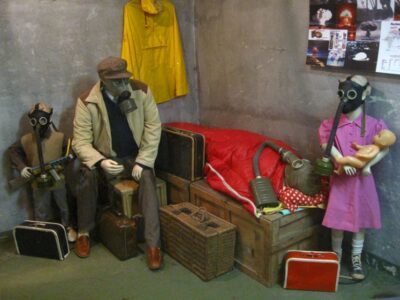
Communism History and Nuclear Bunker Guided Tour
Read our review →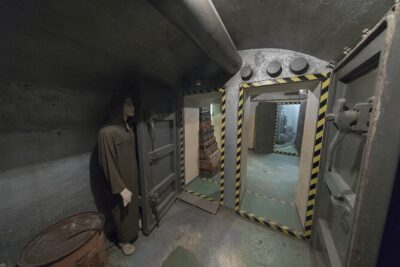
Prague Communism History and Nuclear Bunker Tour
Read our review →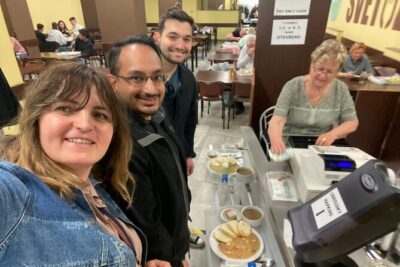
Communism & Nuclear Bunker Tour + 70s Canteen Lunch (own expense)
Read our review →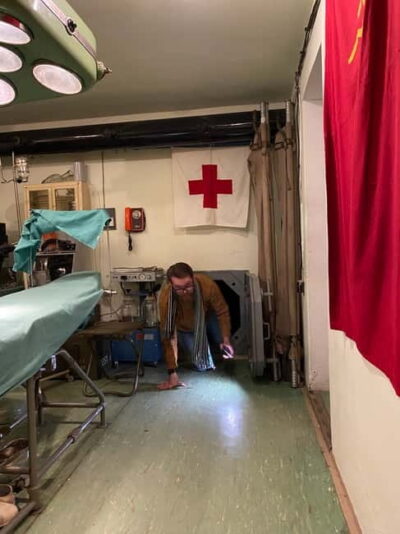
Communism and Bunker Tour with 70s Canteen Lunch
Read our review →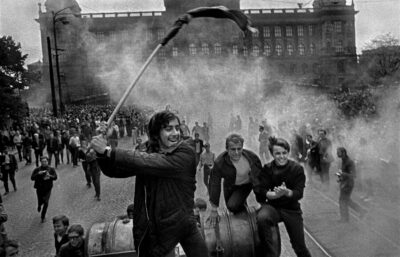
Browse the lists this tour appears in