Reviewed · PRAGUE TOURS
Prague: Psychiatric Hospital and Abandoned Cemetery Tour
Bohnice is not a museum set dressed to look unsettling. It is a working psychiatric hospital, and the three-hour tour connects the history of mental health care with a place where patients still live. You’ll hear about practices from medieval rituals to lobotomies, then walk to the institution’s abandoned cemetery.
I like two things in particular: the guide puts psychiatric history in context instead of offering a parade of spooky tales, and the visit includes a cemetery that brings the institution’s past close at hand. Recent tours have been led by Tina, who explained the hospital and cemetery in French, and one group still found the experience worthwhile in the rain.
The main consideration is the setting. Patients may be present, and this is a tour about the troubled history of psychiatry, not a light ghost walk. It is not recommended for small children; you’ll get more from it if you’re comfortable with serious subject matter and can approach a functioning hospital with respect.
Key points before you go

- The hospital is still in use: You are visiting the grounds of an operating psychiatric institution, not a closed asylum attraction.
- The tour takes three hours: Plan for about two and a half hours at Bohnice Psychiatric Hospital and a half-hour walk by the abandoned cemetery.
- Psychiatry’s darker chapters are part of the story: Topics include medieval rituals, lobotomies, and the famous Rosenhan experiment.
- The cemetery is an atmospheric stop: The walk passes the old burial ground where patients, criminals, and others were laid to rest.
- Language may need checking: The tour is listed in English, while French-speaking groups have also had French-language guiding. Confirm the language when booking.
- Getting there takes planning: Public transport requires a metro ride and a bus. A taxi or ride-hail from central Prague is estimated at about 350 CZK, or 15 EUR.
A working hospital, not a haunted-house set
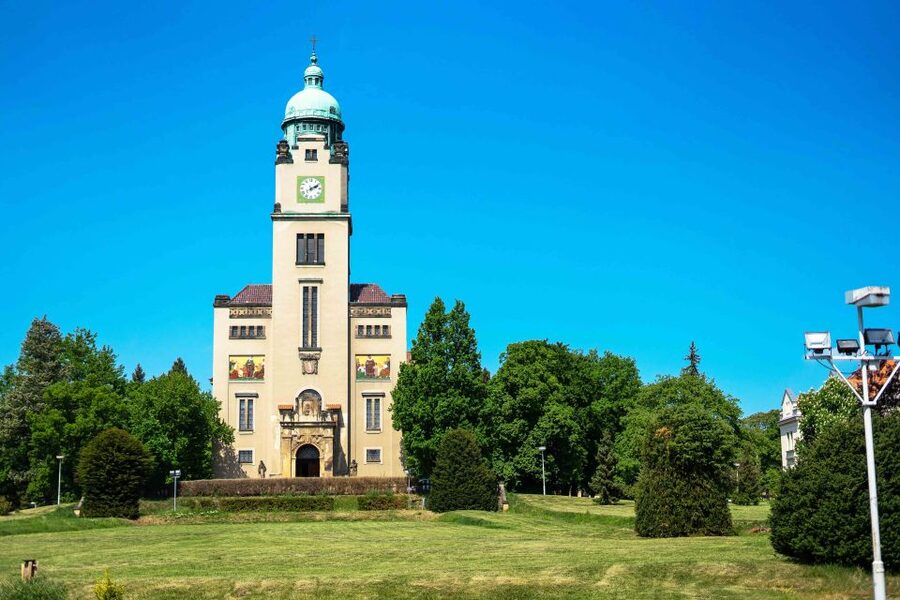
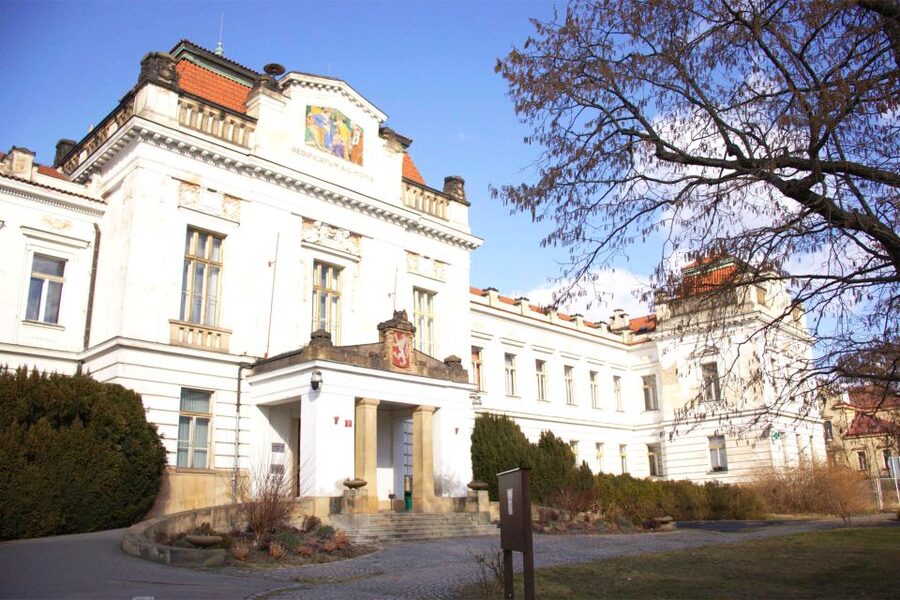
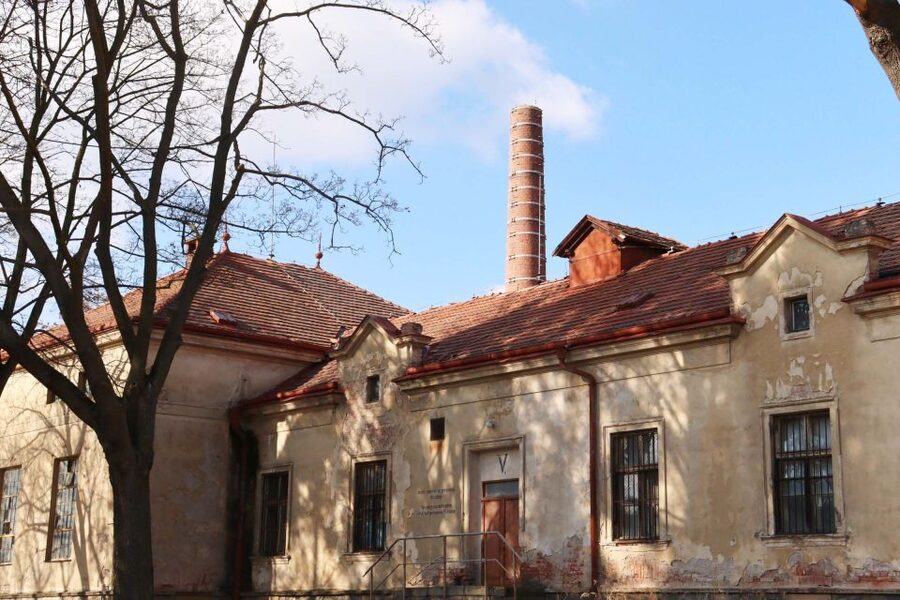
The tour begins at Psychiatric Hospital Bohnice, on the outskirts of Prague. That setting is central to the experience. You are not looking at a preserved ward behind glass; you are walking around an institution that continues to serve patients. One French visitor specifically noted that patients were present, a detail worth keeping in mind before you book.
The guide leads a walking tour around the hospital and its grounds, sharing the institution’s history and the changing ways people have tried to treat mental illness. The subject matter reaches from medieval mystic rituals to later medical procedures such as lobotomies. You also hear about the Rosenhan experiment, a famous episode in the history of psychiatry.
The appeal is not simply that these topics can be unsettling. They show how ideas about illness and treatment have shifted, and how methods once accepted can look shocking now. A good guide can help you see the difference between historical context and easy judgment. The tour’s strongest feature, based on the details available, is its focus on explanation and anecdotes rather than fright for its own sake.
Because this is a functioning clinic, keep your attention on the guide and the history, not on the people receiving care. Do not treat patients as part of the attraction. That distinction matters: the tour’s subject is the institution and the past of psychiatric treatment, while the hospital remains a place where people live and receive care.
A handful more Prague tours worth a look
- Prague: 50-Minute Sightseeing Evening Cruise
★ 4.2 · 33,780 reviews - Prague: Medieval Dinner with Unlimited Drinks
★ 4.4 · 19,847 reviews - Prague: Skip-the-line Castle Ticket and Optional AudioGuide
★ 4.3 · 11,121 reviews
From medieval rituals to lobotomies
Psychiatric care has a long and often painful history. This tour gives you a guided introduction to that history in Europe, using Bohnice as a setting for stories about how people with mental disorders were understood and treated. The range is broad, from mystic practices in medieval times to procedures such as lobotomies.
That range is useful because it helps you place individual treatments in a wider story. You are not just hearing a list of grim medical terms; you are being shown how approaches to mental illness have changed, and why some past methods now seem difficult to comprehend. The guide also covers the Rosenhan experiment, adding a well-known case to the discussion of psychiatric diagnosis and institutions.
The information provided does not spell out every stop or each treatment discussed, so go in ready to listen rather than expecting a fixed lecture on a particular medical procedure. If you have a strong interest in the history of psychiatry, the combination of broader European context and a specific institution should make the material more tangible than a general city walking tour.
The subject can be upsetting. This is a better fit for adults and older teens who are comfortable with frank discussion of mental illness and past treatment. The tour specifically advises against bringing small children.
Walking the grounds and hearing patient stories
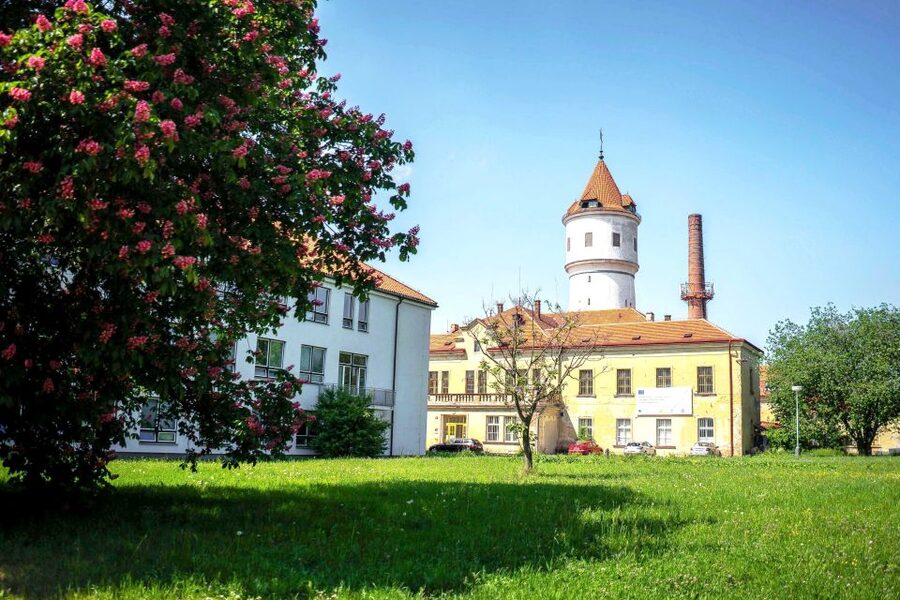
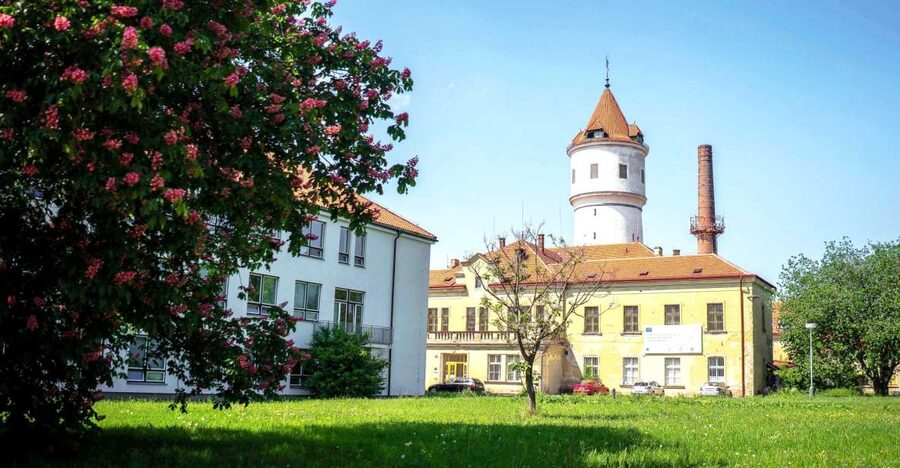
The hospital portion lasts about two and a half hours, giving the guide time to explain the institution’s history and tell stories about infamous patients from its past and present. The tour takes place around a still-functioning clinic, so do not assume that every space is open to visitors or that you will enter active wards. The description focuses on a guided walk around the institution and its grounds.
Those stories are likely to be the most memorable part for many people, but they also call for care. The appeal is not in turning people’s lives into horror props. Listen for what the stories reveal about the institution and the era, and remember that the hospital is not abandoned.
The tour is led in English according to the activity details. French-speaking visitors have also had a French-language guide, including a tour led by Tina. If French is important to you, check that the language is available for your chosen date rather than assuming it will be. A guide’s ability to explain the history clearly is especially valuable here: the subject needs context, not just eerie atmosphere.
The abandoned cemetery’s quiet, unsettling walk
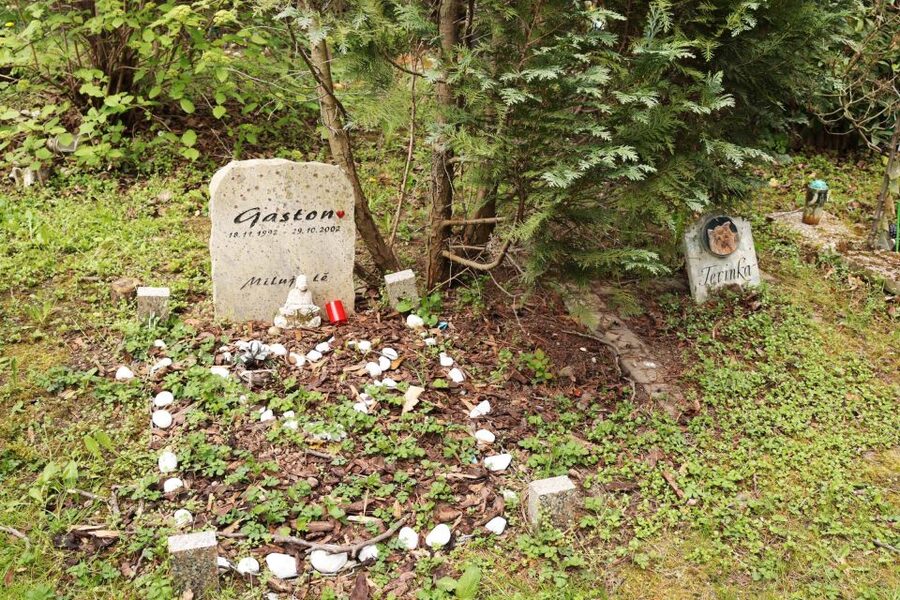
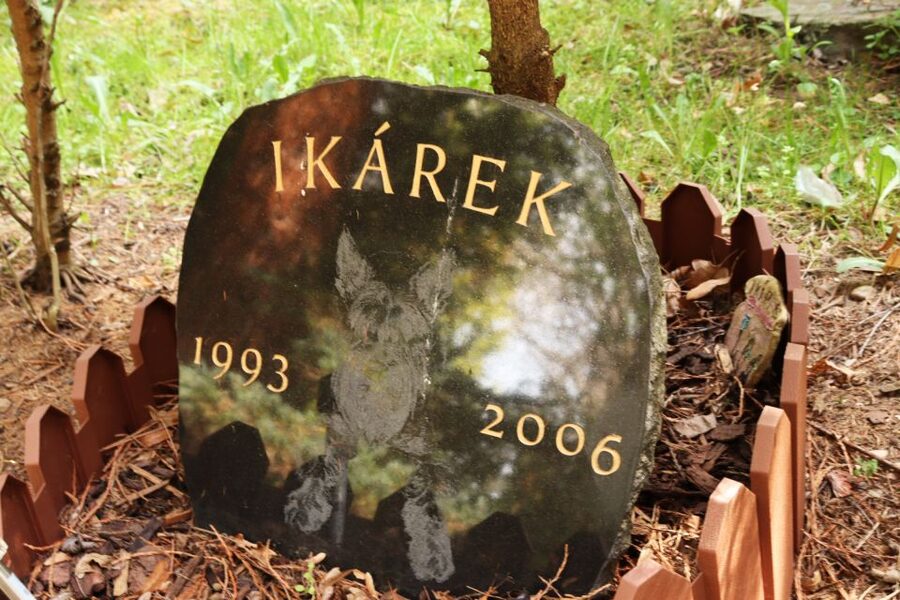
The cemetery stop takes about 30 minutes. You pass through the old institutional burial ground, described as the resting place of patients, criminals, and many others whose lives were connected to the institution. It is an eerie promenade, but its value goes beyond mood. The cemetery gives the hospital’s history a human scale and a place to pause after the more clinical subject matter.
Do not expect a long cemetery visit or a separate, elaborate attraction. The itinerary describes a pass by, and the walk is one part of the larger tour. Its atmosphere may depend on the weather and your own interest in historic burial places. A French visitor said the tour was still enjoyable in the rain, but comfortable shoes and a reusable water bottle are sensible whatever the forecast.
The contrast between the working hospital and the abandoned graveyard is part of what gives this outing its shape. One part concerns a living institution; the other points toward people who are no longer there. If you want a conventional Prague sightseeing walk, this is an unusual detour. If you are interested in how institutions remember, or fail to remember, those in their care, the cemetery adds a thoughtful counterpoint.
Or see the city from another angle:
- Prague: Castle Tour with Local Guide and Entry Ticket
★ 4.6 · 10,422 reviews - Prague Castle 2.5-Hour Tour Including Admission Ticket
★ 4.7 · 8,927 reviews - Prague: Oldtown, Medieval Underground & Dungeon History Tour
★ 4.2 · 8,244 reviews - Prague: Vltava River Night Cruise with Buffet
★ 4.3 · 7,338 reviews
Is $32 fair value for three hours?
At $32 per person, the tour offers a full three hours with a local guide and a walking route that combines a functioning psychiatric hospital with its abandoned cemetery. That is reasonable value if you want a specialist subject and a guide to connect the history, place, and stories. You are paying for interpretation and access to a distinctive setting, not a large collection of displays or a broad overview of Prague.
The price makes less sense if you are mainly looking for a quick scare or a standard city tour. The subject is specific, and the tone is historical and sometimes difficult. You should choose it because you want to learn about psychiatry and the institution, with the cemetery’s eerie atmosphere as an added dimension.
A private group is available, which may suit people who want a more personal format. The activity also offers reserve-now, pay-later booking and free cancellation up to 24 hours in advance. Those terms can help if your plans are uncertain, but check the current availability and conditions for your chosen date.
Reaching Bohnice from central Prague

The meeting point is in front of the gate to Psychiatric Hospital Bohnice at Ústavní 91, 181 00 Praha 8. Allow time to follow the directions carefully, especially if you are using public transport. The hospital is outside central Prague, and the tour starts at the gate, not at a central city landmark.
By public transport, take metro line C to Kobylisy. Use the exit toward Katastrální úřad, then take bus 177 toward Poliklinika Mazurská or bus 200 toward Sídliště Bohnice. Get off at Katovická. From the stop, turn around and walk in the opposite direction from the bus until the first crossroads; turn left onto Ústavní Street and continue to the metal gate marked 91.
A taxi or ride-hail car is simpler if you prefer not to manage the bus directions. The estimated fare from central Prague by Bolt or Uber is about 350 CZK, or 15 EUR. One French visitor recommended using Uber for the trip there and back, a practical choice if you want to save time or avoid navigating after a serious, potentially unsettling tour.
Wear comfortable shoes and bring a reusable water bottle. The experience is a walking tour, and the cemetery visit is outdoors. Rain did not spoil the experience for one group, but it is still sensible to dress for the conditions.
Who should book this tour?
Book it if you have a real interest in the history of psychiatry, institutions, or the uneasy line between treatment and harm. You’ll get a guided account of Bohnice’s past and present, stories of patients, and an atmospheric walk past the old cemetery. The guide’s role matters here, and Tina’s French-language tour is a useful example for French speakers, though the listed language is English.
Skip it if you want a light, family-friendly outing, or if you are uncomfortable visiting a working psychiatric hospital where patients may be present. It is not recommended for small children, and the history can be dark. This is best approached as a serious, respectful history walk with an eerie setting, not a haunted-house performance.
FAQ
How long is the tour?
The tour lasts three hours. About two and a half hours are spent on the guided walk at Bohnice Psychiatric Hospital, followed by about 30 minutes passing the cemetery.
Where does the tour start?
Meet in front of the gate to Psychiatric Hospital Bohnice at Ústavní 91, 181 00 Praha 8.
How do I get to the meeting point by public transport?
Take metro line C to Kobylisy, then bus 177 toward Poliklinika Mazurská or bus 200 toward Sídliště Bohnice. Get off at Katovická, walk to the first crossroads in the opposite direction from the bus, turn left onto Ústavní Street, and continue to gate 91.
How much does a taxi from central Prague cost?
A Bolt or Uber ride from the city center is estimated at about 350 CZK, or 15 EUR.
What language is the tour in?
The tour is listed in English. French-language tours have also taken place, including one led by Tina. Confirm the language for your date if you need a specific one.
Is this a tour of a working hospital?
Yes. Bohnice is described as a still-functioning psychiatric hospital, and patients may be present during the visit.
What subjects does the guide cover?
The tour introduces the history of psychiatry in Europe, including medieval mystic rituals, treatments such as lobotomies, the Rosenhan experiment, and stories about past and current infamous patients.
Does the tour visit the abandoned cemetery?
Yes. The route includes a roughly 30-minute pass by Bohnický ústavní hřbitov, the institution’s abandoned cemetery.
Is the tour suitable for young children?
Small children are not recommended because the tour covers dark historical facts about psychiatry.
What should I bring, and can I cancel?
Bring comfortable shoes and a reusable water bottle. You can cancel up to 24 hours in advance for a full refund.
Newly listed in Prague
- The only full Anthropoid tour with a visit to curve and Lidice, by private car★ 5.0 · 30 reviews
- Prague E-Bike City Sightseeing Tour★ 5.0 · 3 reviews
- Private UNESCO Český Krumlov Trip from Prague with Local Guide★ 5.0 · 32 reviews
- Stand-Up Paddleboarding on the Vltava River in Prague★ 5.0 · 63 reviews
- One Prague Tour: Old Town Road with local Food & Beer ️★ 5.0 · 137 reviews
- Full-Day Countryside E-Bike Tour to Karlstejn Castle (small group★ 5.0 · 40 reviews
- Historical Prague – Walking Tour with pick up★ 4.5 · 5 reviews
- One Hour Boat Tour on Vltava River★ 3.0 · 20 reviews
Prague Tours, compared.



Skip-the-line Castle Ticket and Optional AudioGuide
Read our review →
Castle Tour with Local Guide and Entry Ticket
Read our review →
Prague Castle 2.5-Hour Tour Including Admission Ticket
Read our review →
Oldtown, Medieval Underground & Dungeon History Tour
Read our review →