
Reviewed · PRAGUE MUSEUM TOURS
Prague: Museum of Torture Entry Ticket
Prague’s Museum of Torture pairs unsettling instruments with the laws and court practices that put them to use. In reconstructed cellars on Celetná Street, you’ll find around 100 exhibits, dozens of period engravings, wax figures, text, and audiovisual effects across 400 square meters. The focus is not only on what the devices looked like, but on how torture was used to extract confessions and punish offenders.
I like two things in particular: the exhibition connects the objects to the legal history behind them, and its cellar rooms, sound effects, and two audiovisual features give the visit a strong sense of place. One important caution: the displays are graphic, and a reported visit described a strong mold odor and peeling, blackened walls, so the cellar setting may be uncomfortable in more ways than one.
Key points before you go
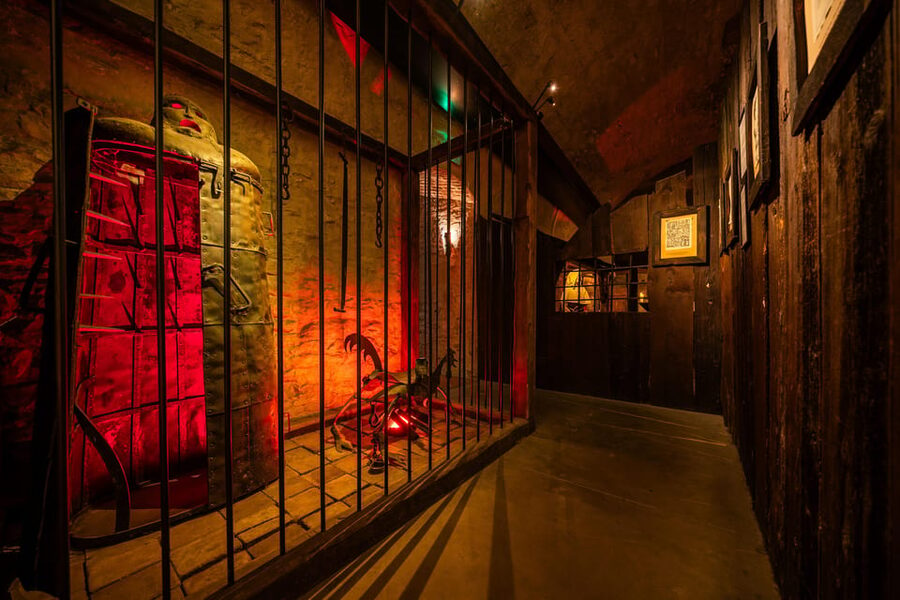
- The setting is part of the experience: The museum occupies reconstructed cellar rooms on Celetná Street in central Prague.
- The collection is sizeable for a short visit: Around 100 exhibits and dozens of period engravings fill 400 square meters.
- Law matters as much as the devices: Text and documents explain how torture was used in judicial proceedings over the centuries.
- Expect theatrical touches: Wax figures, sound effects, and two special audiovisual effects shape the atmosphere.
- The objects are replicas: The iron maiden, Spanish boot, rack, pear, and other devices are detailed replicas, not identified as original historical tools.
- Consider the content and cellar conditions: The exhibition is not recommended for young children or sensitive people, and a reported odor and wall-condition concern is worth keeping in mind.
Cellar rooms on Celetná Street
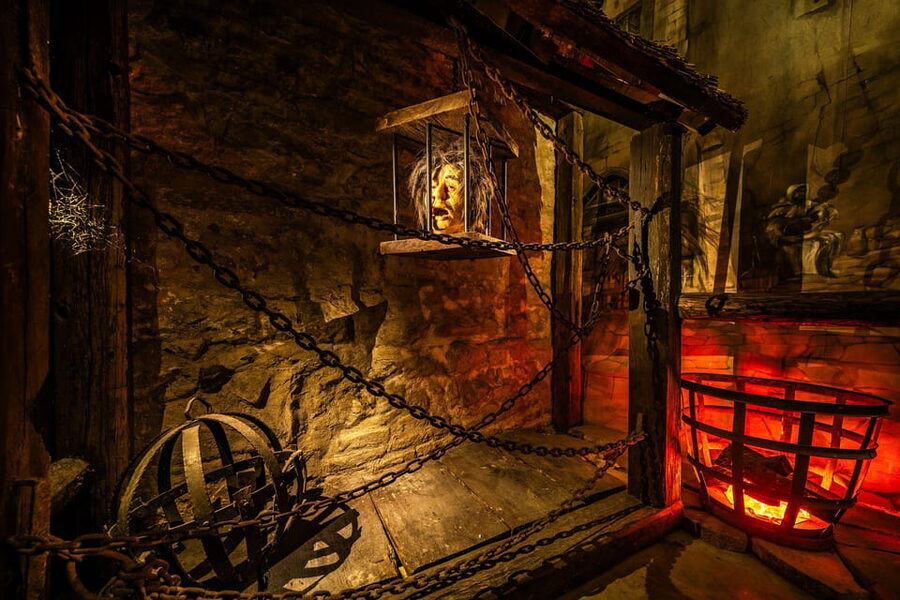
The museum is on Celetná Street, in central Prague, and the exhibition takes place in reconstructed cellar spaces. That setting gives the subject a close, enclosed frame: instead of viewing the instruments in a bright gallery, you move through rooms designed to suggest the harshness of the subject.
The setting is atmospheric, but it is also a practical consideration. A reported visit described a strong mold smell, along with blackened, peeling walls. That does not establish the current condition of the building, but it is useful to know before booking, particularly if you are sensitive to odors or dislike confined cellar spaces.
The exhibition covers 400 square meters, enough room for about 100 exhibits and dozens of period engravings. You should expect a self-paced museum visit rather than a long, scheduled tour: the ticket is valid for one day, while no fixed visit duration is specified. That leaves you free to spend more time with the written context or move through the displays more quickly.
More museum visits in Prague:
- Prague: Museum of Fantastic Illusions Entry Ticket
★ 4.3 · 4,337 reviews - IAM Illusion Art Museum Entry Ticket
★ 4.2 · 1,664 reviews - Prague: Museum of Senses Admission Ticket
★ 4.0 · 1,445 reviews
Instruments, figures, and effects
The collection includes detailed replicas of devices such as the iron maiden, Spanish boot, rack, and pear. Seeing these objects together gives you a concrete sense of how punishments and methods of coercion were represented. But their value is not just visual. The displays sit alongside text and documents intended to explain the historical and legal context in which torture was used.
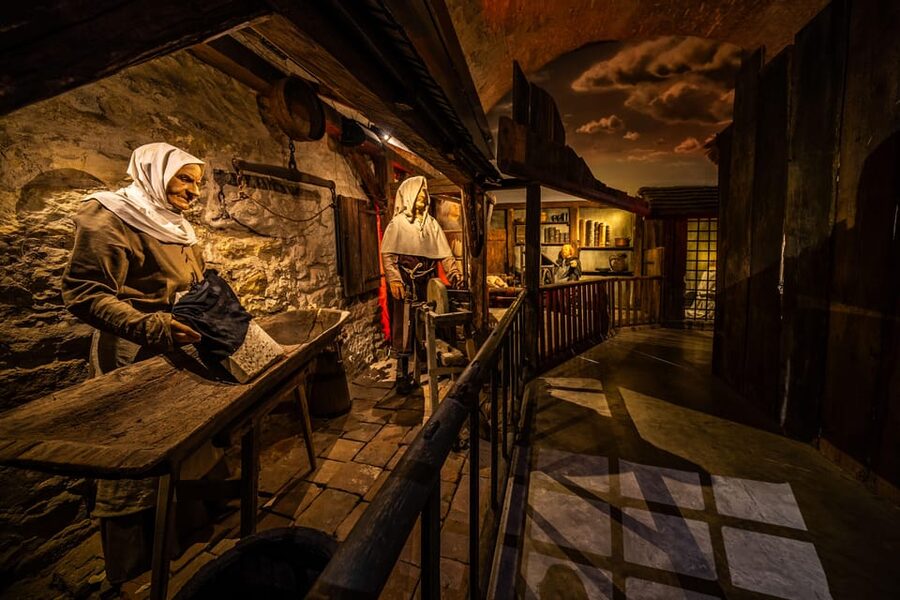
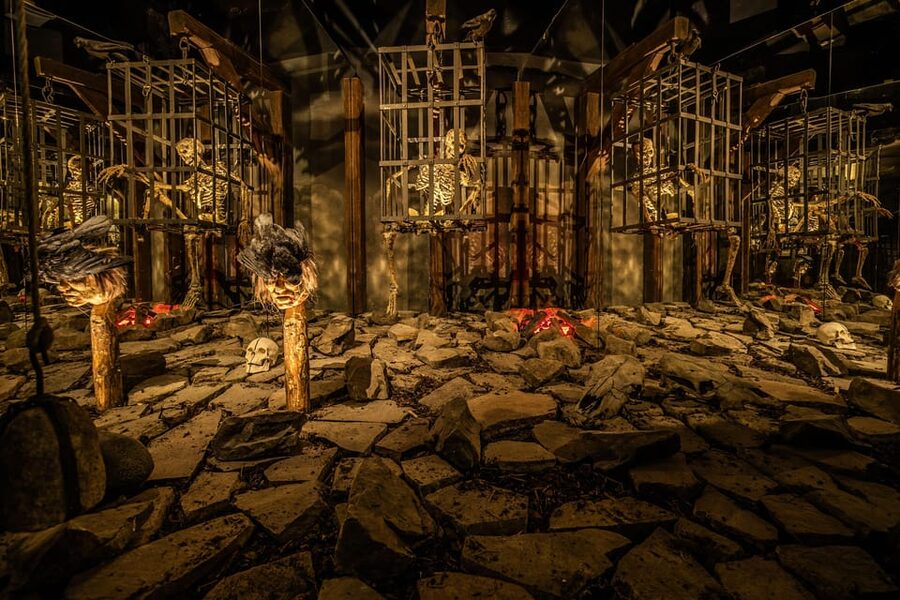
Wax figures appear in settings arranged to resemble scenes from the past. Sound effects and two special audiovisual effects add a theatrical element to the cellar tour. These features may help bring the exhibition’s subject into focus, though they also mean the experience is not a quiet, object-only display. If you prefer a restrained museum atmosphere, the added effects may feel heavy-handed.
It is worth keeping the distinction between replica and original clear. The instruments are described as authentic and detailed replicas, not as original devices used in historical trials. For many visitors, that still makes them useful teaching tools: you can inspect the shapes and mechanisms while the written material supplies the context the objects cannot provide on their own.
The legal story behind the devices
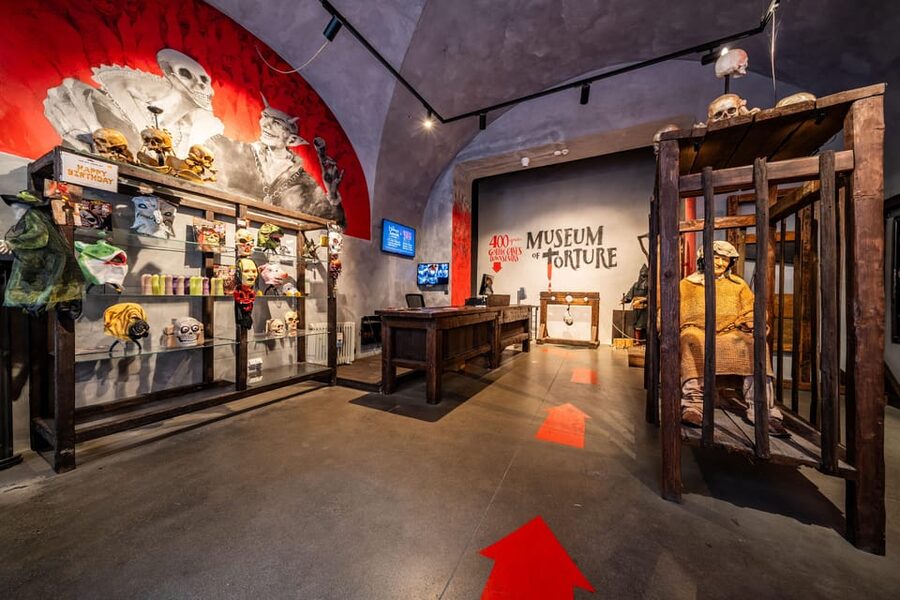
The strongest reason to visit is the exhibition’s attention to torture law. It looks at how legal systems applied torture over the centuries, how instruments were used to extract confessions, and how punishment was administered. That context matters. Without it, a display of devices can become a parade of gruesome curiosities; the legal angle gives you a way to think about the institutions and social consequences behind them.
The museum also asks you to consider torture’s role in judicial processes and its effects on society. You will not find a detailed account of the exact text panels or a list of every period covered in the information provided, so it is sensible to approach this as a broad historical overview rather than a specialist legal lecture. If you want a careful, scholarly treatment of a particular court or century, you may need to seek that elsewhere.
Still, the combination of documents, text, engravings, and physical replicas makes a useful point: torture was not simply an isolated act of cruelty. It could be sanctioned and applied within legal systems. Seeing the objects alongside that explanation helps shift the visit from shock alone toward questions about power, evidence, and punishment.
What the visit feels like
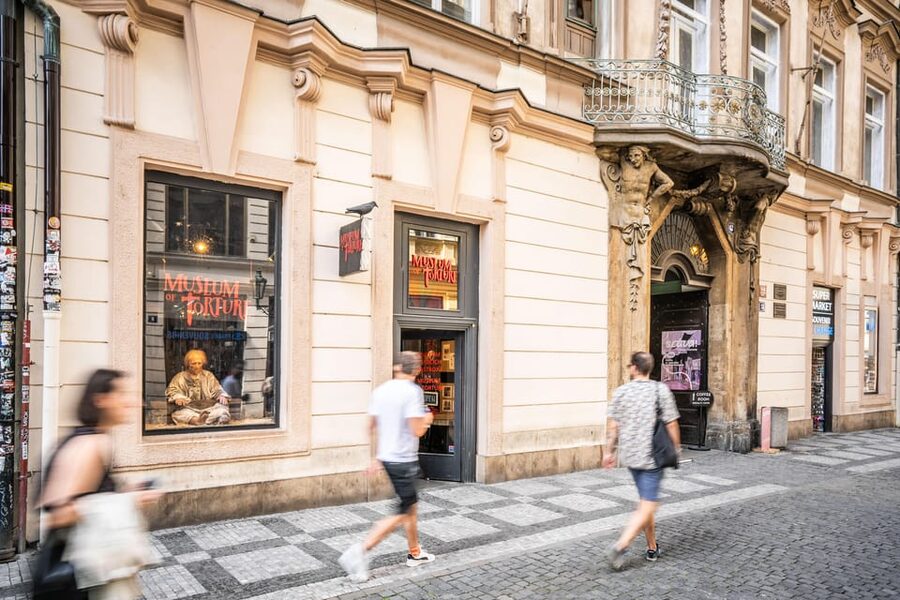
There is no detailed route or timed itinerary specified, so you should expect to explore the exhibition room by room at your own pace. The natural sequence is to take in the cellar setting, look over the instruments and engravings, then use the accompanying text and documents to understand the practices and laws behind them. Wax figures, sound, and audiovisual effects contribute to the atmosphere as you move through the space.
This mix can work well if you like museums that put objects in a scene rather than lining them up without context. The trade-off is that theatrical presentation can make an already difficult subject feel more intense. The organizers specifically advise against bringing young children or people who are sensitive to graphic material.
You will get more from the visit if you pause to read rather than treating it as a quick walk past strange devices. The exhibits are striking, but the explanatory material is what connects them to the wider history of justice and social control. If you are short on time, focus on the text and documents that clarify how the law was applied, then decide how much of the more graphic display you want to see.
A handful more Prague tours worth a look
- Prague: 50-Minute Sightseeing Evening Cruise
★ 4.2 · 33,780 reviews - Prague: Medieval Dinner with Unlimited Drinks
★ 4.4 · 19,847 reviews - Prague: Skip-the-line Castle Ticket and Optional AudioGuide
★ 4.3 · 11,121 reviews - Prague: Castle Tour with Local Guide and Entry Ticket
★ 4.6 · 10,422 reviews
Is the $9 ticket good value?
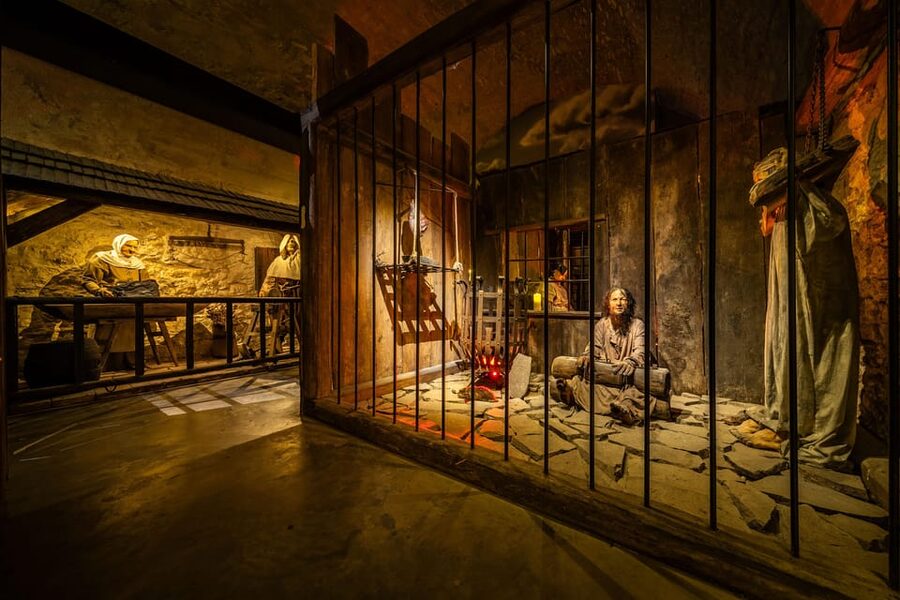
At $9 per person, the ticket is a relatively modest-priced way to spend part of a day in central Prague. You get access to a 400-square-meter exhibition with around 100 exhibits, dozens of engravings, written and documentary context, wax figures, sound effects, and two audiovisual effects. That is a substantial amount of material for a single museum visit.
Value depends on what you want from it. If you are interested in the history of punishment, law, and the use of coercion, the combination of objects and context gives the ticket a clear purpose. If you mainly want to see famous original artifacts, note that the instruments are replicas. If you dislike graphic displays or staged effects, the price may not make the experience a good fit.
The ticket is valid for one day, but no exact visit length or starting time is provided here. Check the available times when planning. Booking allows you to reserve without paying immediately, and cancellation up to 24 hours in advance is eligible for a full refund. The listed host or greeter language is English, and English is the language specified for the activity.
Who should visit, and who should skip it?
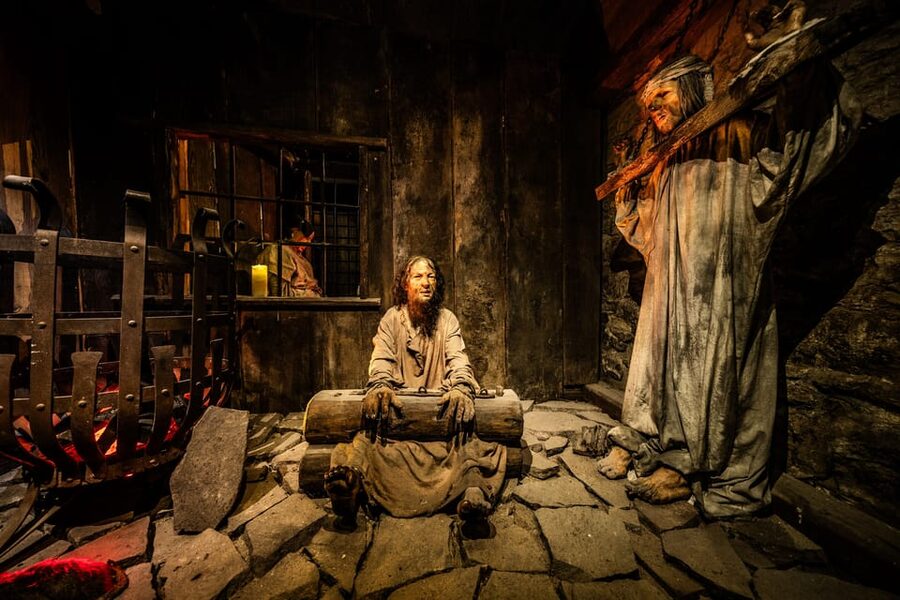
I would consider this museum if you want a compact, unusual stop that adds a difficult subject to your understanding of Prague’s past. It is most suitable for adults and older visitors who can engage with graphic material and who want more than a collection of grim-looking objects. The focus on the legal use of torture gives the visit more substance than spectacle alone.
I would skip it with young children, or if you know that displays of punishment will stay with you unpleasantly. The cellar environment also deserves thought: a reported visit described a strong mold smell and peeling walls, though that account does not tell us whether the issue remains. If you are sensitive to mold or enclosed spaces, consider that uncertainty before purchasing.
For a short museum visit with a specific historical theme, the $9 price is reasonable. Book if you are curious about how law and punishment intersected and you are comfortable with graphic displays. If you want a calm, polished gallery or original instruments, this is not the safest choice.
FAQ
Where is the Museum of Torture?
It is on Celetná Street in central Prague, in the Central Bohemian Region of the Czech Republic.
How much does the entry ticket cost?
The listed price is $9 per person.
How large is the exhibition?
The exhibition occupies 400 square meters and includes around 100 exhibits and dozens of period engravings.
Which torture instruments are on display?
Examples include detailed replicas of the iron maiden, Spanish boot, rack, and pear, along with other instruments.
Are the instruments original historical objects?
They are described as authentic and detailed replicas. The information provided does not identify them as original historical instruments.
Is the exhibition suitable for young children?
No. The exhibition is not recommended for young children because of its graphic content.
What languages are available?
English is the listed activity language, and the host or greeter language is English.
Can I cancel the ticket?
Yes. Cancellation up to 24 hours in advance is eligible for a full refund.
Newly listed in Prague
- The only full Anthropoid tour with a visit to curve and Lidice, by private car★ 5.0 · 30 reviews
- Prague E-Bike City Sightseeing Tour★ 5.0 · 3 reviews
- Private UNESCO Český Krumlov Trip from Prague with Local Guide★ 5.0 · 32 reviews
- Stand-Up Paddleboarding on the Vltava River in Prague★ 5.0 · 63 reviews
- One Prague Tour: Old Town Road with local Food & Beer ️★ 5.0 · 137 reviews
- Full-Day Countryside E-Bike Tour to Karlstejn Castle (small group★ 5.0 · 40 reviews
- Historical Prague – Walking Tour with pick up★ 4.5 · 5 reviews
- One Hour Boat Tour on Vltava River★ 3.0 · 20 reviews
Prague Museum Tours, compared.


IAM Illusion Art Museum Prague Fast Pass Ticket
Read our review →

Ticket to Audiovisual Light Art at Lumia Gallery
Read our review →

Browse the lists this tour appears in